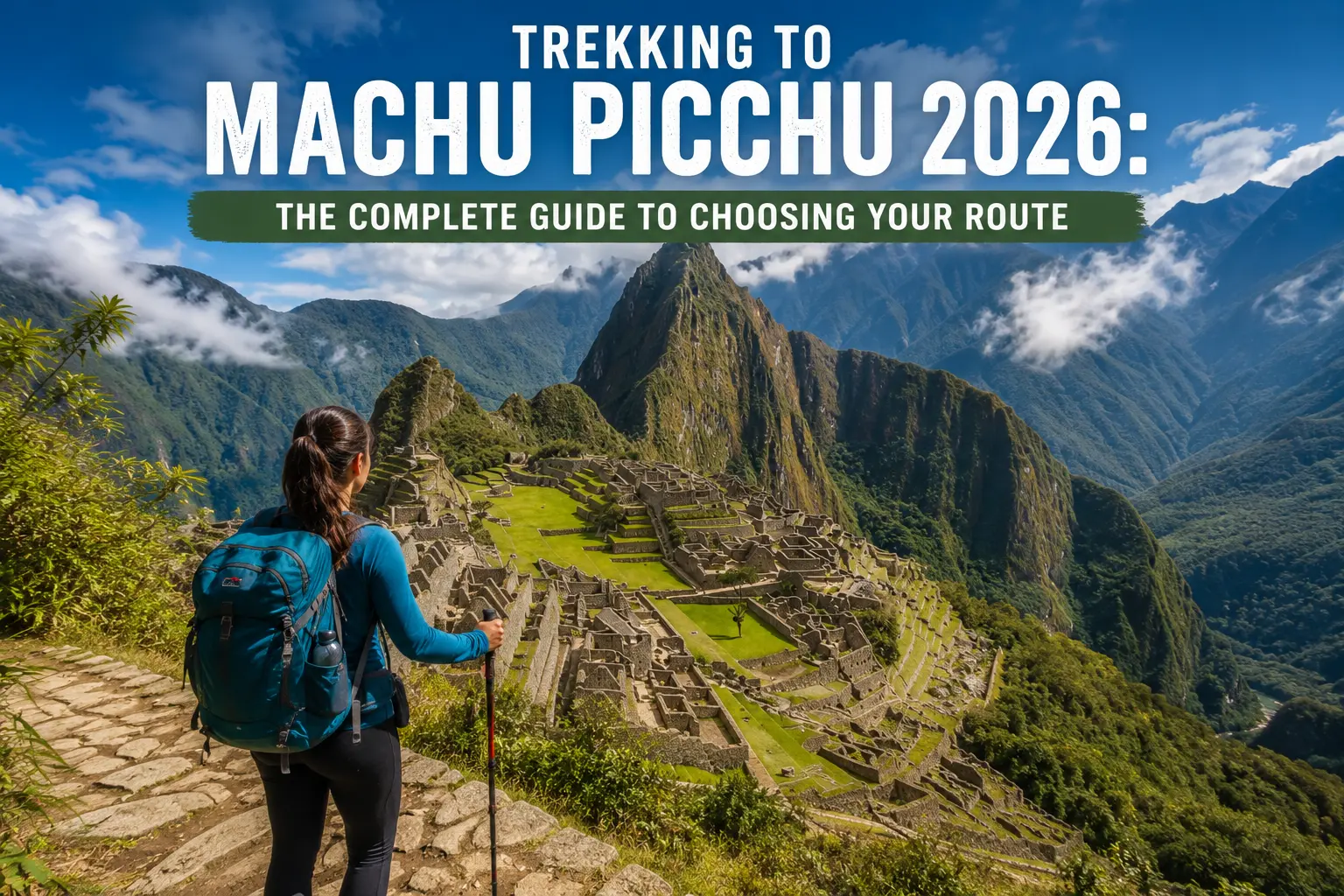
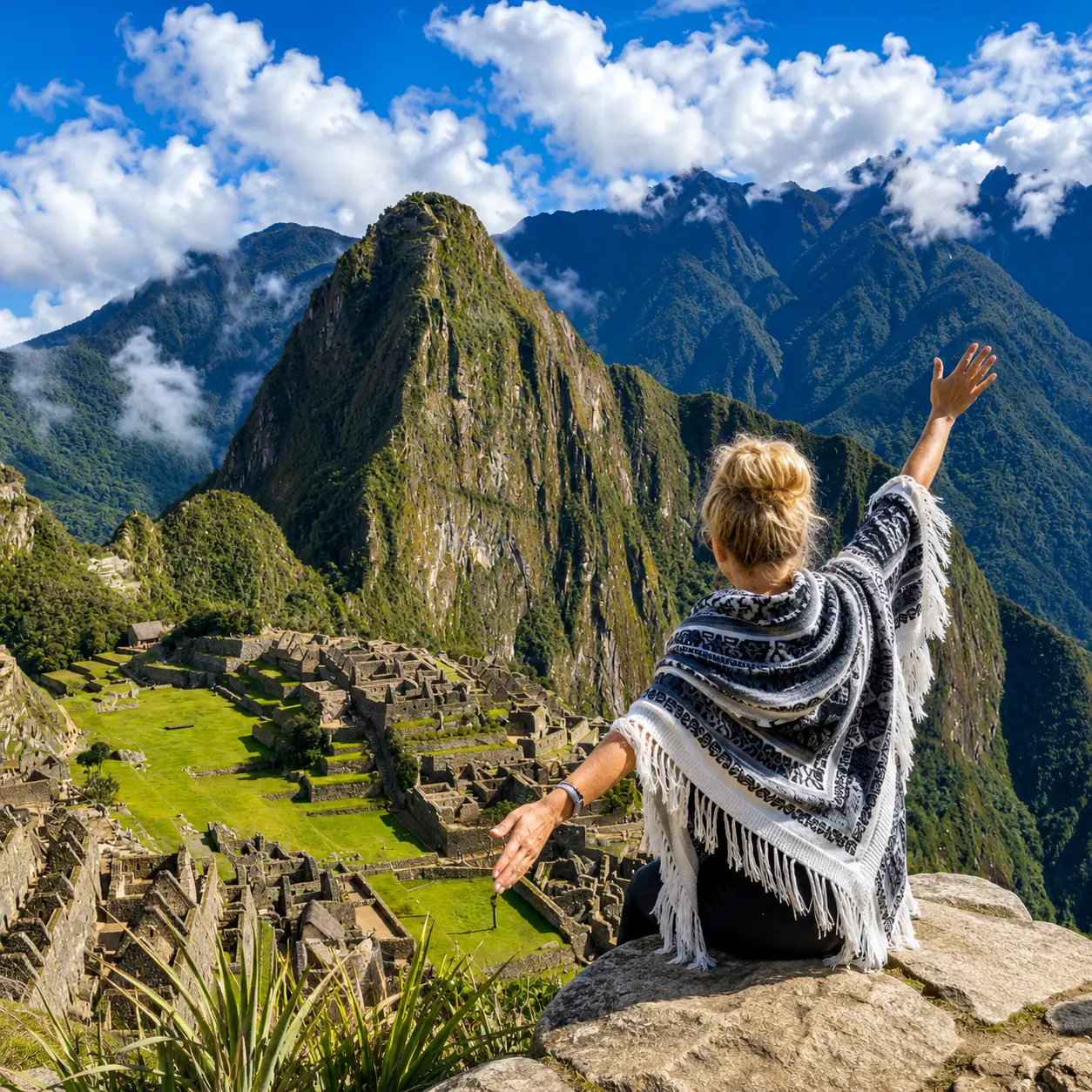
Trekking to Machu Picchu is one of the most rewarding ways to reach the Inca citadel — but with three very different routes available, choosing the right one can feel overwhelming. Whether you have just two days or prefer a longer adventure through snow-capped mountains and jungle trails, there is a trek that matches your fitness level, budget, and travel style. In this guide, we compare the Short Inca Trail, the Salkantay Trek, and the Inca Jungle Trek side by side, so you can book the experience that fits you best. If you’d rather skip the trek entirely, check out our [Machu Picchu Reservation Guide] and [Train to Machu Picchu Guide] for alternative ways to arrive.
Why Choose Trekking to Machu Picchu Instead of the Train?
While taking the train remains the fastest way to reach Machu Picchu, trekking to Machu Picchu offers something the train simply cannot: the journey itself becomes part of the experience. Instead of arriving directly at Aguas Calientes, trekkers cross mountain passes, walk through cloud forests, and pass ancient Inca ruins along the way — arriving at the citadel through the Sun Gate, just as the Incas did centuries ago. It also tends to be more budget-friendly than combining train tickets with hotel stays in Aguas Calientes. That said, if time is limited or you prefer a more relaxed pace, our [Train to Machu Picchu Guide] covers every train option available in 2026.
The 3 Best Treks to Machu Picchu — Quick Comparison Table
Before diving into the details, here’s a side-by-side comparison of the three most popular treks to help you narrow down your choice at a glance.
| Trek | Duration | Difficulty | Price from | Best for |
|---|---|---|---|---|
| Short Inca Trail | 2 Days / 1 Night | Moderate | $499 | Travelers with limited time |
| Salkantay Trek | 4 Days / 3 Nights | Challenging | $308 | Mountain & high-altitude lovers |
| Inca Jungle Trek | 4 Days / 3 Nights | Moderate | $297 | Groups seeking multi-sport adventure |
Option 1 — Short Inca Trail to Machu Picchu
Route Overview & Highlights
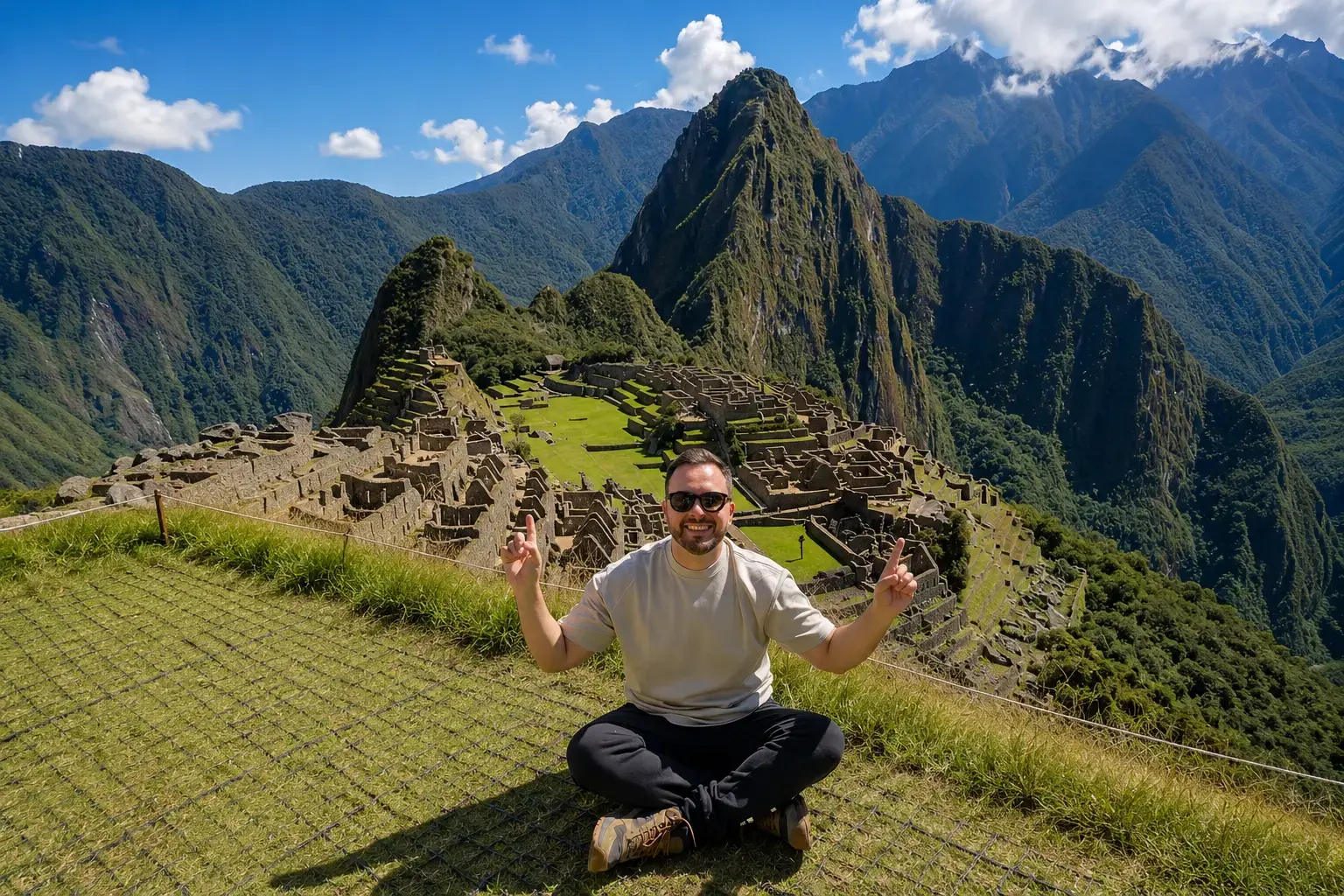
For travelers trekking to Machu Picchu with limited time, the Short Inca Trail is the perfect choice who want the classic Inca Trail experience without committing to a full four-day trek. Over two days, you’ll hike through diverse landscapes, pass Inca archaeological sites, and finish with one of the most iconic moments in South American travel: entering Machu Picchu through the Sun Gate (Inti Punku) at sunrise, with the citadel unfolding below the mist.
Difficulty & Physical Requirements
This trek is rated moderate. You’ll reach a maximum altitude of around 2,700 meters, making it more accessible than the other routes. Basic fitness is recommended, along with at least one full day in Cusco beforehand to acclimatize to the altitude.
Best Time of Year
The dry season, from May to September, offers the clearest skies and best trail conditions. The rainy season (November to March) is still doable but comes with a higher chance of rain along the trail.

Ready to experience it yourself? [See the full Short Inca Trail itinerary] and book your spot.
Option 2 — Salkantay Trek to Machu Picchu
Route Overview & Highlights
Widely considered one of the best routes for trekking to Machu Picchu, the Salkantay Trek takes you past, the Salkantay Trek takes you past the snow-capped Salkantay mountain, through turquoise lagoons, and across multiple ecosystems — from high Andean plains to cloud forest — before reaching Machu Picchu. It’s a longer, more immersive journey for travelers who want to disconnect and experience the diversity of the Peruvian Andes.
Difficulty & Physical Requirements
This is the most physically demanding of the three treks, reaching altitudes of up to 4,600 meters at the Salkantay Pass. Good physical condition and proper acclimatization in Cusco (at least 2 days beforehand) are strongly recommended.
What to Pack
Warm layers for high-altitude nights, waterproof clothing, sturdy hiking boots, sun protection, and a reusable water bottle are essential. Temperatures can drop below freezing at the highest points, even during the dry season.

Ready for the ultimate challenge? [See the full Salkantay Trek itinerary] and start planning your adventure.
Option 3 — Inca Jungle Trek to Machu Picchu
Route Overview & Highlights
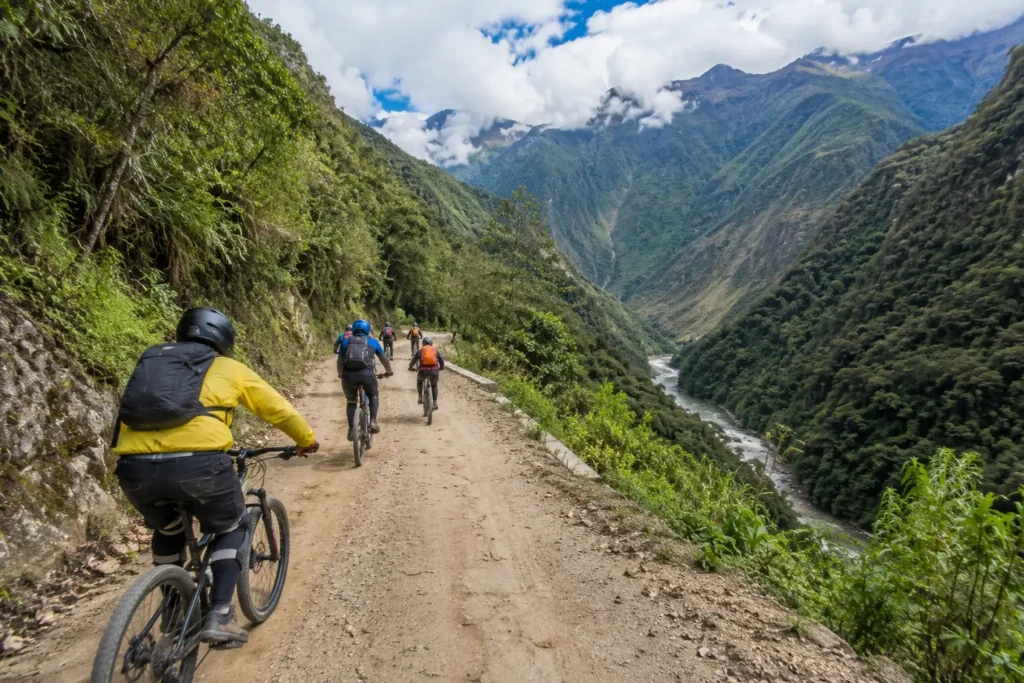
Looking for a more active way of trekking to Machu Picchu? The Inca Jungle Trek combines The Inca Jungle Trek combines mountain biking, whitewater rafting, hiking, and even zip-lining over four days — making it the top choice for groups and adventure travelers who want more than just walking. It’s a fun, fast-paced alternative that still ends at the same destination: Machu Picchu.
Difficulty & Physical Requirements
Rated moderate, this trek is more about variety than sheer physical difficulty. No technical experience is required for the biking or rafting sections, making it a great option for active travelers of most fitness levels.
Looking for adventure and variety? [See the full Inca Jungle Trek itinerary] and book your spot.
How to Choose the Right Trek for You
Still not sure which route for trekking to Machu Picchu fits you best? Here’s a quick breakdown based on what matters most to you.
If You Have Limited Time
Choose the Short Inca Trail. In just two days, you get the classic Sun Gate arrival experience without needing a full week in Peru.
If You Want the Ultimate Challenge
Choose the Salkantay Trek. With its high-altitude pass and dramatic mountain scenery, it’s the most rewarding option for experienced hikers seeking a real challenge.
If You Travel in a Group Looking for Adventure Sports
Choose the Inca Jungle Trek. Biking, rafting, and hiking in one trip make it ideal for groups of friends or younger travelers who want variety over a single long walk.
Permits & Booking — What You Need to Know
Unlike the train, trekking to Machu Picchu — especially via the classic Inca Trail — requires permits that are limited in number and issued by Peru’s government. Permits often sell out months in advance, particularly during the high season (June to September), so early booking is essential regardless of which route you choose.
For official permit regulations, visit Peru’s Ministry of Tourism. Our team monitors permit availability in real time and handles the entire booking process for you — permits, transportation, and accommodation included. Check our [Machu Picchu Reservation Guide] for more details on how the booking process works.
FAQ — Trekking to Machu Picchu
Which trek to Machu Picchu is the easiest?
The Short Inca Trail is the most accessible option, with a lower maximum altitude and a shorter duration than the Salkantay or Inca Jungle treks.
Do I need a permit for all the treks?
The Short Inca Trail requires an official government permit due to limited daily access. The Salkantay and Inca Jungle treks do not require the same type of permit, though trekking regulations may vary by season.
What is the best month to trek to Machu Picchu?
The dry season, from May to September, offers the best trail conditions and clearest mountain views for all three treks.
Can beginners do these treks?
Yes, with proper preparation. The Short Inca Trail and Inca Jungle Trek are suitable for beginners with moderate fitness, while the Salkantay Trek is better suited for those with prior hiking experience due to its altitude.
Ready to Book Your Trek to Machu Picchu?
Whichever route you choose, trekking to Machu Picchu is an experience you’ll remember for a lifetime. Our local team handles every detail — permits, guides, meals, and transportation — so all you need to do is show up ready to explore. [Contact an Expert]