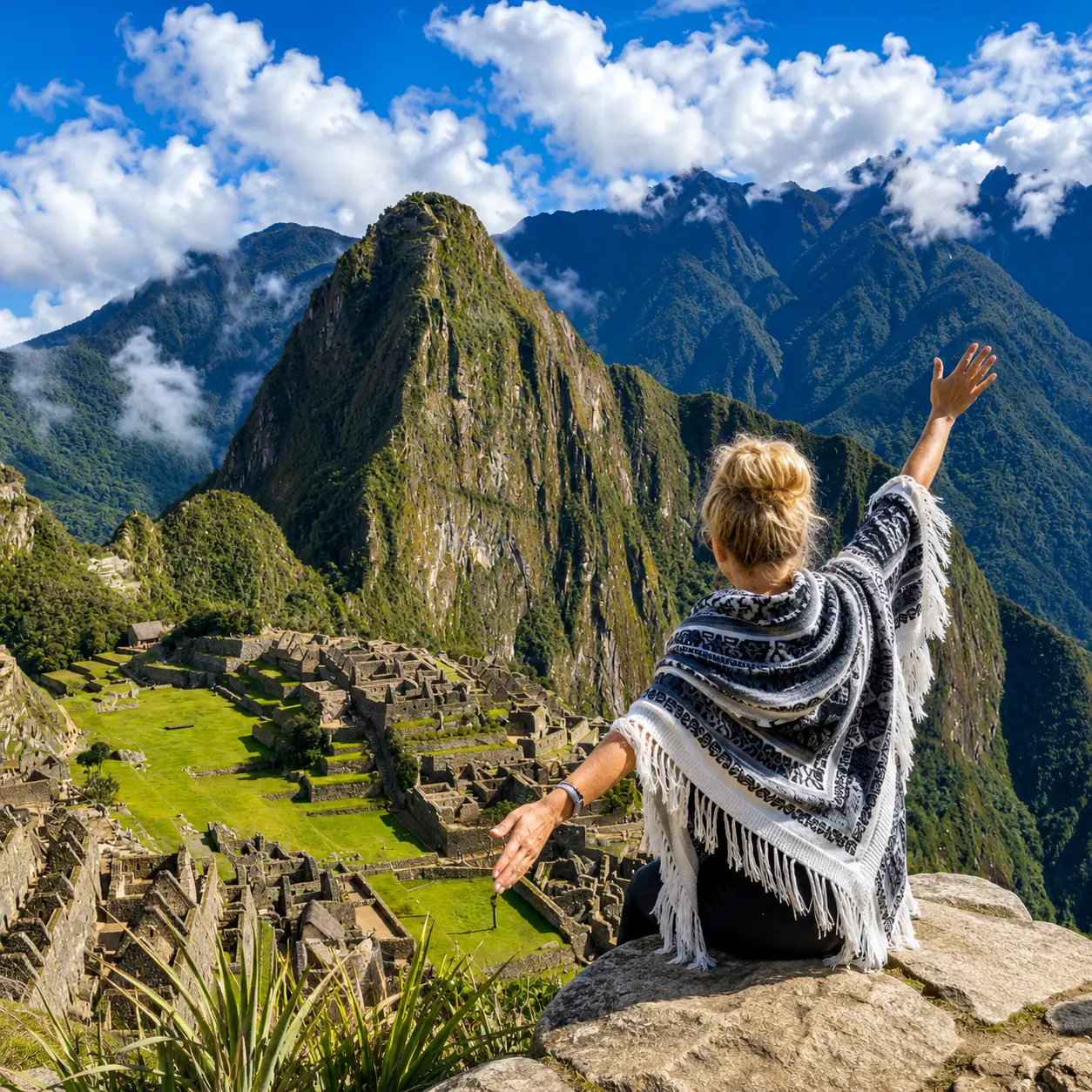
Machu Picchu History: The Complete Story of the Lost City of the Incas
The history of Machu Picchu is one of the most fascinating stories in the ancient world. Furthermore, this extraordinary Inca citadel was built in the 15th century, abandoned less than 100 years later, and then hidden from the outside world for nearly four centuries. Therefore, understanding Machu Picchu history is essential to truly appreciating what you see when you stand inside the citadel. In addition, the story of Machu Picchu involves remarkable engineering, deep spiritual meaning, political power, and one of the greatest archaeological rediscoveries of the 20th century. This guide covers everything you need to know.
The History of Machu Picchu: Who Built It and When?
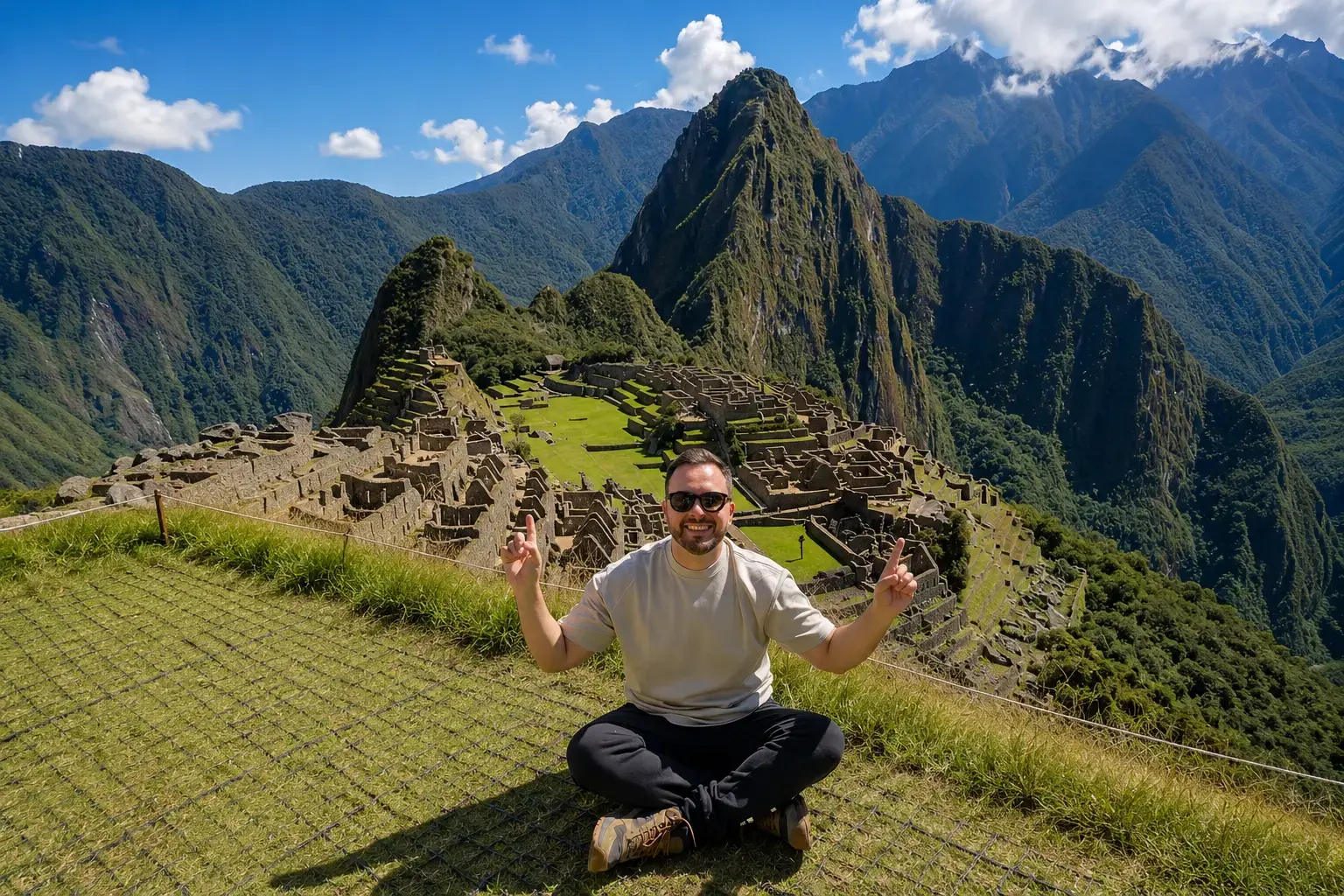
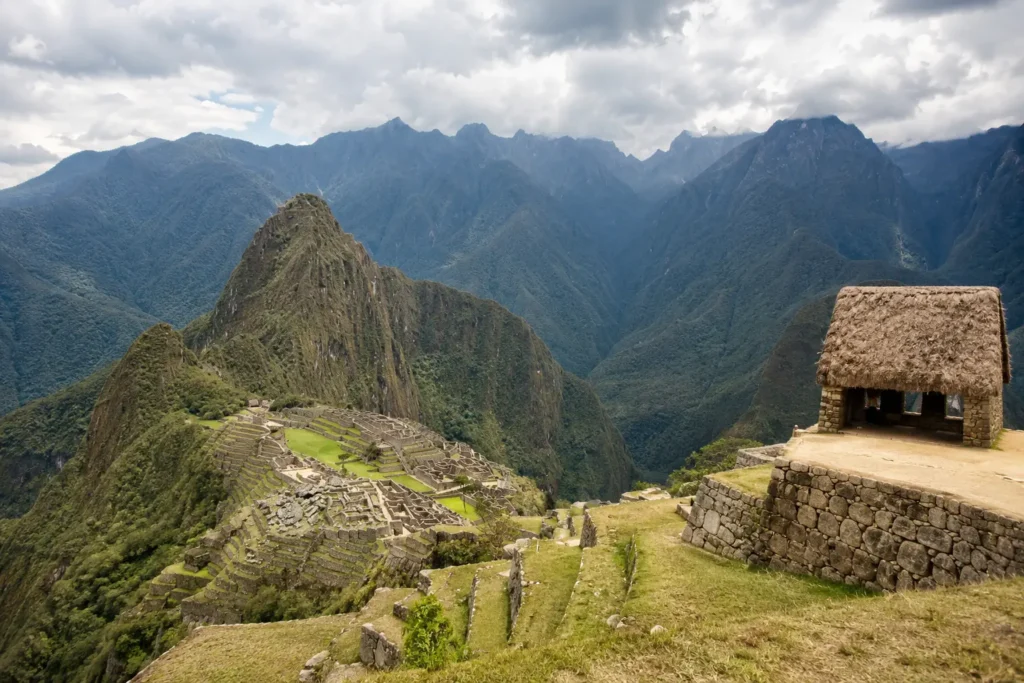
The history of Machu Picchu begins around 1450 AD during the reign of Inca emperor Pachacutec — considered the greatest ruler in the history of the Inca Empire. Furthermore, most historians and archaeologists agree that Machu Picchu was built as a royal estate and religious sanctuary for Pachacutec and the Inca elite. Therefore, it was never a city in the traditional sense — it was more of a private retreat, home to approximately 750 people at its peak, most of whom were servants, priests, and craftspeople. In addition, the site was constructed at a remarkably strategic location: 2,430 meters above sea level, invisible from the valley below, and surrounded on three sides by steep cliffs dropping into the Urubamba River. recognized as a UNESCO World Heritage Site
Pachacutec — The Emperor Behind Machu Picchu History
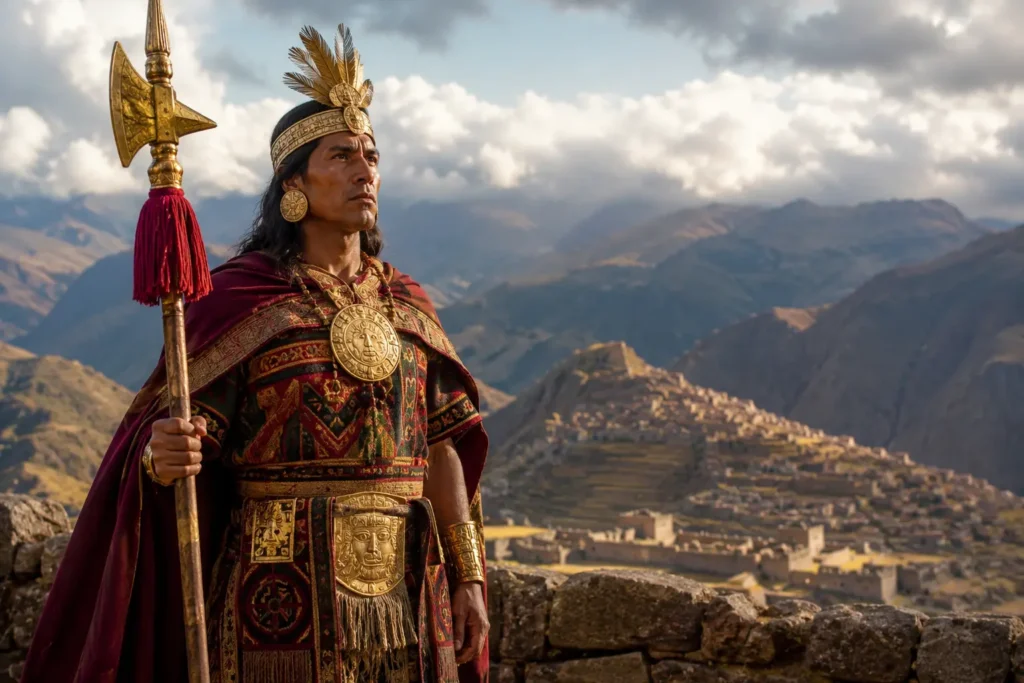
No understanding of Machu Picchu history is complete without understanding Pachacutec. Furthermore, he came to power around 1438 AD and transformed the Inca state from a small kingdom centered in Cusco into the largest empire in pre-Columbian America — known as Tawantinsuyu, or the “Land of the Four Quarters.” Therefore, Machu Picchu was built as a physical expression of his power, his connection to the sun god Inti, and his vision of Inca cosmology. In addition, the name Pachacutec itself translates roughly as “he who transforms the earth” — and the construction of Machu Picchu is perhaps the most powerful evidence of that transformation.
How Long Did It Take to Build Machu Picchu?
Historians estimate that the construction of Machu Picchu took between 50 and 70 years and involved thousands of skilled workers known as “mit’a” laborers. Furthermore, the site contains over 200 structures, including temples, residences, terraces, fountains, and ceremonial plazas — all built without the use of wheels, iron tools, or mortar. Therefore, the precision of the stonework at Machu Picchu remains one of the greatest architectural achievements in human history. In addition, the largest stones used in construction weigh over 50 tons and were transported from quarries located within and just below the site using only human labor, ropes, and ramps.
Machu Picchu History: The Spiritual and Religious Meaning
Machu Picchu was not only a royal retreat — it was also a deeply sacred religious site. Furthermore, the entire layout of the citadel reflects Inca cosmology and their relationship with the natural world, the sun, the stars, and the mountains. Therefore, understanding the spiritual dimensions of Machu Picchu history helps explain why certain structures were built where they were and why the site was positioned so precisely in relation to astronomical events.
The Temple of the Sun — Machu Picchu's Most Sacred Structure
The Temple of the Sun is widely considered the most important religious structure in Machu Picchu history. Furthermore, it is the only rounded building in the entire citadel and was constructed with extraordinary precision to align perfectly with the sunrise during the winter solstice in June — one of the most sacred dates in the Inca calendar. Therefore, at dawn on the winter solstice, a single ray of sunlight enters the temple’s trapezoidal window and falls directly on a ritual stone, marking the moment with perfect astronomical accuracy. In addition, beneath the Temple of the Sun lies the Royal Tomb — a cave carved into the natural rock that served as a sacred ceremonial space.
The Intihuatana Stone — Machu Picchu's Sacred Solar Clock
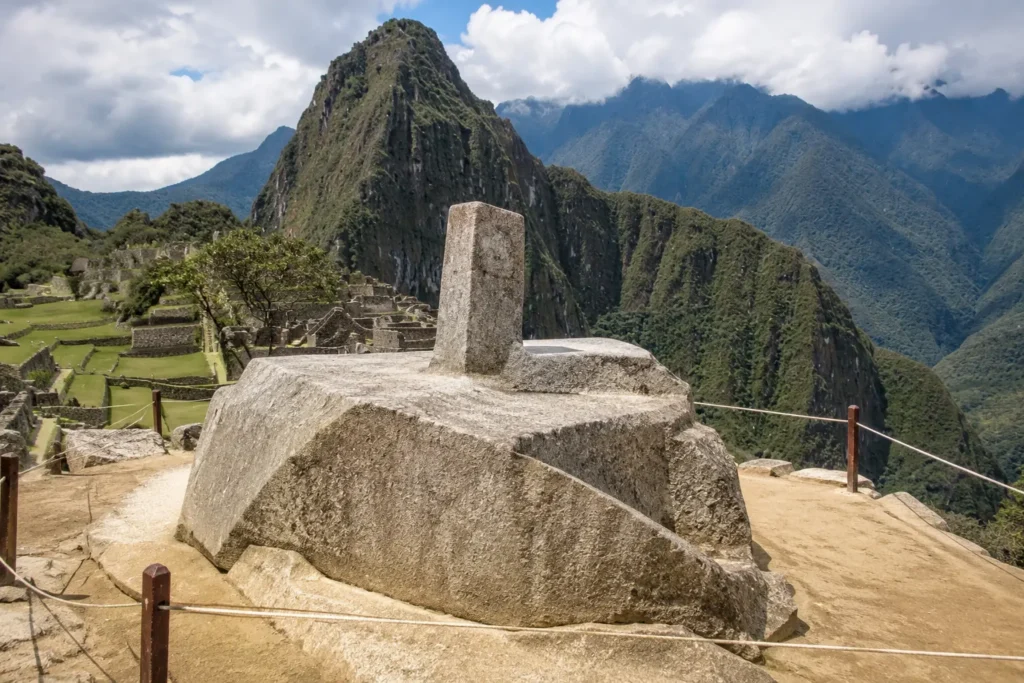
The Intihuatana Stone is one of the most spiritually significant objects in the entire history of Machu Picchu. Furthermore, its name translates as “hitching post of the sun” in Quechua — the language of the Incas — reflecting its function as a ritual astronomical instrument used by Inca priests to track the movement of the sun throughout the year. Therefore, the Intihuatana was central to Inca religious ceremonies and agricultural planning. However, what makes this particular stone unique is that it is one of the few remaining examples in the Inca world that was never destroyed by the Spanish conquistadors — because they never found Machu Picchu.
The Temple of the Three Windows — History in Stone
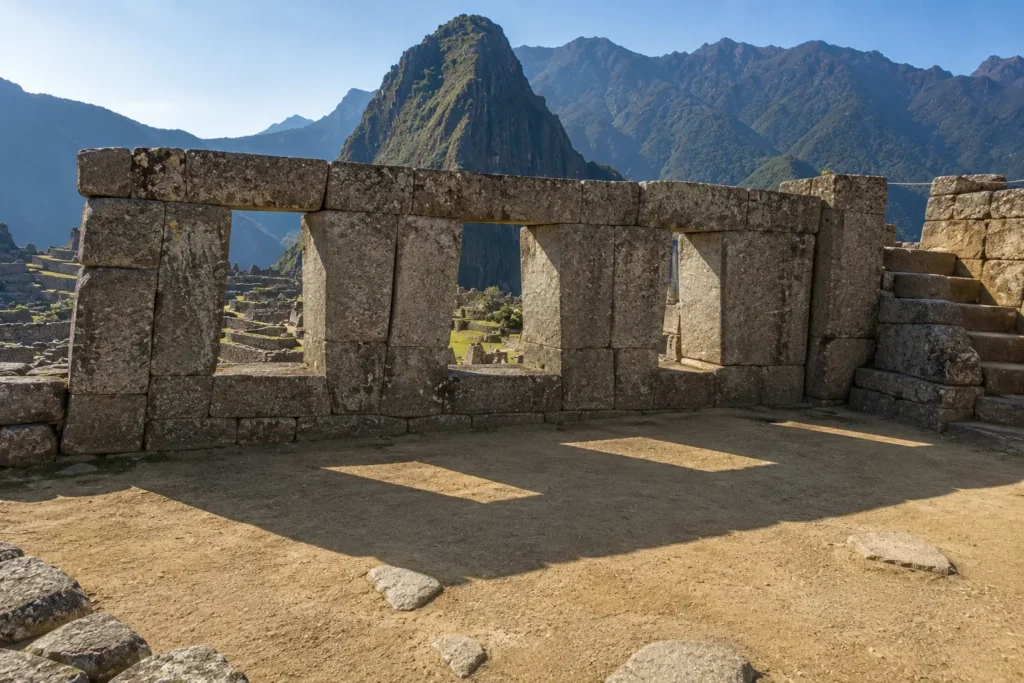
The Temple of the Three Windows occupies one side of the main plaza and is one of the most photographed structures in Machu Picchu. Furthermore, its three large trapezoidal windows face east toward the sunrise and are believed to represent a fundamental concept in Inca cosmology — the three worlds of the Inca universe: the upper world (Hanan Pacha), the inner world (Kay Pacha), and the lower world (Uku Pacha). Therefore, this temple was not just an architectural achievement but a physical representation of the Inca spiritual worldview built into stone. In addition, the quality of the stonework in this temple is among the finest anywhere in the entire Machu Picchu complex.
Why Was Machu Picchu Abandoned? The Great Mystery of Its History
One of the most intriguing questions in the history of Machu Picchu is why it was abandoned — and the answer is still debated by historians today. Furthermore, the citadel appears to have been vacated relatively quickly, as no bodies, valuables, or significant personal belongings were found at the site when it was rediscovered in the 20th century. Therefore, the abandonment of Machu Picchu was clearly planned and organized rather than the result of a sudden disaster or military attack. In addition, several theories have been proposed to explain why the Incas left and never returned.
The Spanish Conquest and the End of the Inca Empire
The most widely accepted explanation in Machu Picchu history is that the site was abandoned as a direct consequence of the Spanish conquest of Peru. Furthermore, the Spanish arrived in 1532 under Francisco Pizarro and within a decade had effectively destroyed the Inca Empire through a combination of military force, political manipulation, and devastating European diseases — particularly smallpox, which killed an estimated 50 to 90 percent of the indigenous population. Therefore, by the time the Spanish had consolidated control over the region, the Inca elite who had maintained and inhabited Machu Picchu were gone. In addition, historians believe the site was deliberately kept secret from the Spanish — which is why it was never looted or destroyed like so many other Inca sites.
Did the Spanish Ever Find Machu Picchu?
One of the most remarkable facts in the history of Machu Picchu is that the Spanish conquistadors never found it. Furthermore, despite their systematic destruction of Inca temples, palaces, and sacred sites throughout Peru, Machu Picchu remained completely hidden — protected by its remote mountain location and the dense cloud forest that grew over its walls after abandonment. Therefore, for nearly 400 years, the outside world had no knowledge of the citadel’s existence. However, local Peruvian farmers and indigenous communities in the Urubamba Valley always knew the ruins were there — it was simply never publicized to the wider world.
Machu Picchu History: The Rediscovery in 1911
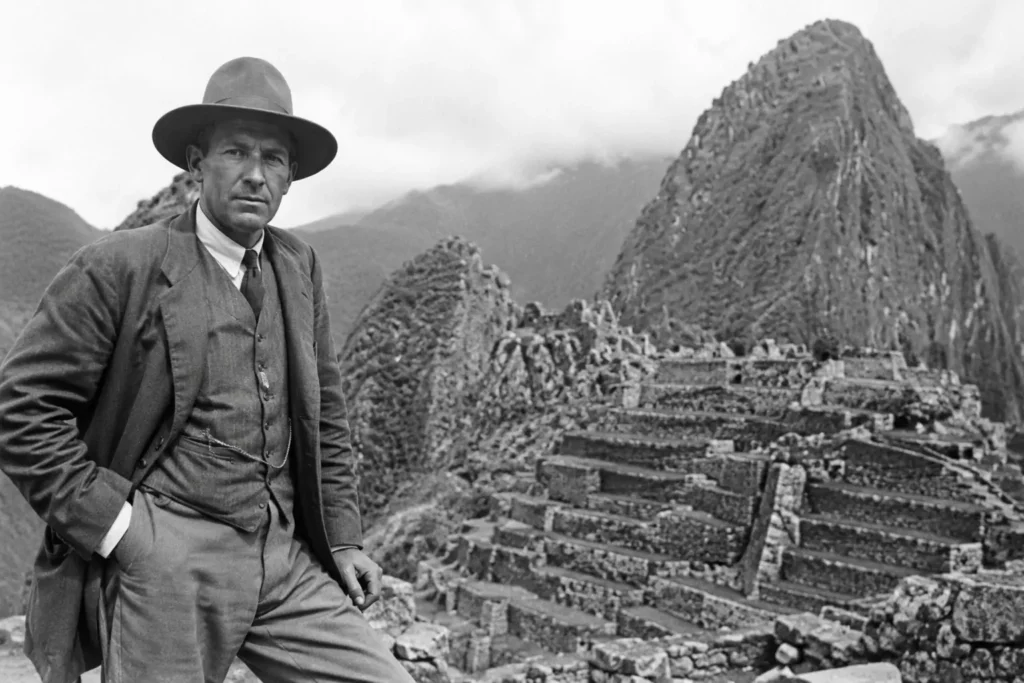
The rediscovery of Machu Picchu is one of the most celebrated moments in the history of archaeology. Furthermore, on July 24, 1911, American historian and explorer Hiram Bingham III — then a professor at Yale University — was led to the ruins by a local farmer named Melchor Arteaga who offered to show him some impressive ruins on the mountain above. Therefore, what Bingham found that morning would change the world’s understanding of the Inca civilization forever. In addition, Bingham initially believed he had discovered Vilcabamba — the legendary last refuge of the Incas — before later scholars determined that Machu Picchu was in fact a royal estate rather than a final Inca stronghold. Hiram Bingham and the rediscovery of Machu Picchu — National Geographic
What Hiram Bingham Found at Machu Picchu
When Hiram Bingham arrived at the site in 1911, Machu Picchu was largely covered by centuries of jungle vegetation. Furthermore, two local families — the Recharte and Alvarez families — were actually living on the agricultural terraces and farming the land at the time of Bingham’s arrival. Therefore, the idea that Bingham “discovered” Machu Picchu in the traditional sense is somewhat misleading — the local Peruvian community had always known of its existence. In addition, Bingham conducted several excavation seasons between 1911 and 1915, during which he removed thousands of artifacts and human remains and transported them to Yale University — a controversial act that led to decades of diplomatic negotiations between Peru and the United States, with the artifacts finally returned to Peru in 2012.
Machu Picchu History After 1911 — From Ruin to World Wonder
After Bingham’s expeditions brought Machu Picchu to international attention, the Peruvian government began a gradual process of clearing, conservation, and restoration of the site. Furthermore, in 1983 Machu Picchu was declared a UNESCO World Heritage Site, recognizing its outstanding universal value as both a cultural and natural heritage site. Therefore, today it is one of the most visited archaeological sites in the world, receiving approximately 1.5 million visitors per year. In addition, in 2007 Machu Picchu was voted one of the New Seven Wonders of the World in a global poll — cementing its status as one of humanity’s greatest achievements. book your guided tour to Machu Picchu from Cusco
Machu Picchu History: Key Facts and Figures
Before you visit, here are the most important historical facts about Machu Picchu that every traveler should know. Furthermore, having this background knowledge transforms your visit from a simple sightseeing experience into a genuinely meaningful encounter with one of the world’s greatest ancient civilizations. Therefore, share these facts with your travel companions and impress your guide.
Visit Machu Picchu with Peruvian Cusco Travel Tour
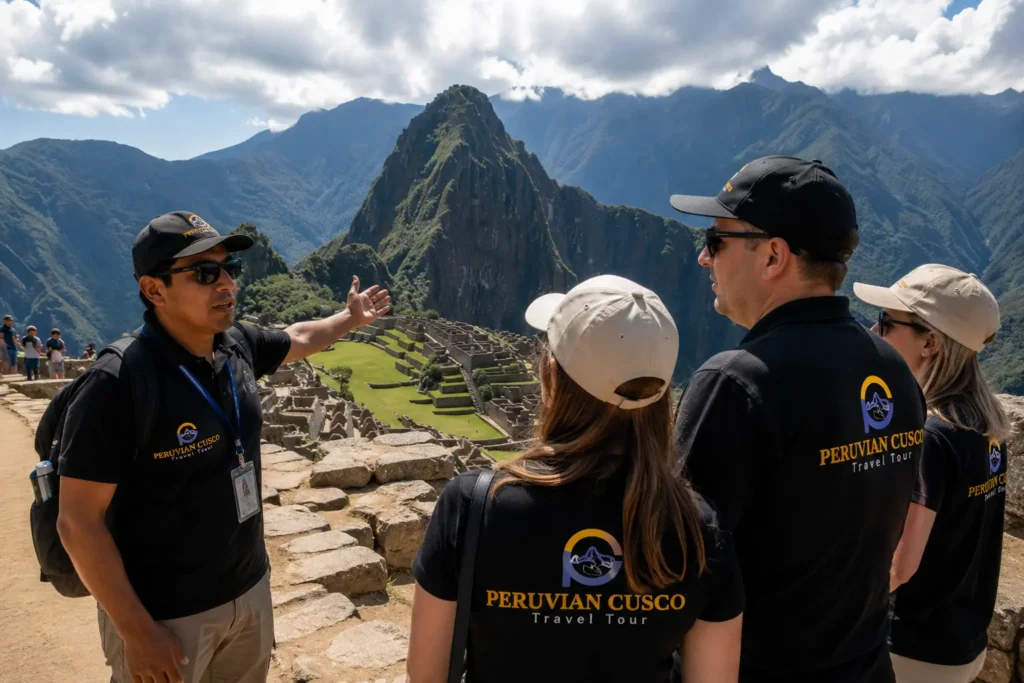
Now that you know the history of Machu Picchu, it is time to experience it in person. Furthermore, at Peruvian Cusco Travel Tour we have been guiding international travelers through the citadel for over 10 years — and our certified local guides bring this extraordinary history to life in a way no guidebook ever could. Therefore, whether you choose a classic full day tour, the Salkantay Trek, or the Inca Jungle Trek, every experience we offer includes a certified bilingual guide who knows every stone, every temple, and every story of Machu Picchu history. In addition, we are proud winners of the TripAdvisor Travellers’ Choice Award 2024. see all our Machu Picchu tour options